

This Mediterranean Herbs and Spices Guide will help you understand why the food from this region tastes so vibrant and layered.
Mediterranean cooking is not about complicated sauces or heavy seasoning. Instead, it relies on a handful of fresh herbs and warm spices that highlight the natural flavor of ingredients like vegetables, fish, grains, and olive oil.
Once you understand how these herbs and spices work together, cooking Mediterranean food becomes much easier. You stop following recipes exactly and start building flavor intuitively.
This guide walks through the most common Mediterranean herbs and spices, how they taste, and how to use them in everyday cooking.
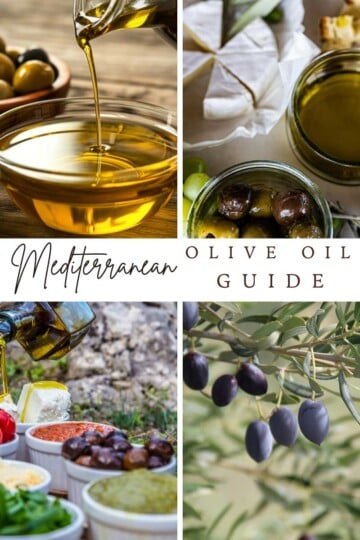
If you’re also building a Mediterranean kitchen from scratch, you may want to start with my Mediterranean Pantry Staples Guide and my Olive Oil Guide, which explain the ingredients that form the backbone of Mediterranean cooking.
Jump to:
The Difference Between Herbs and Spices
Before we dive in, it helps to understand the difference.
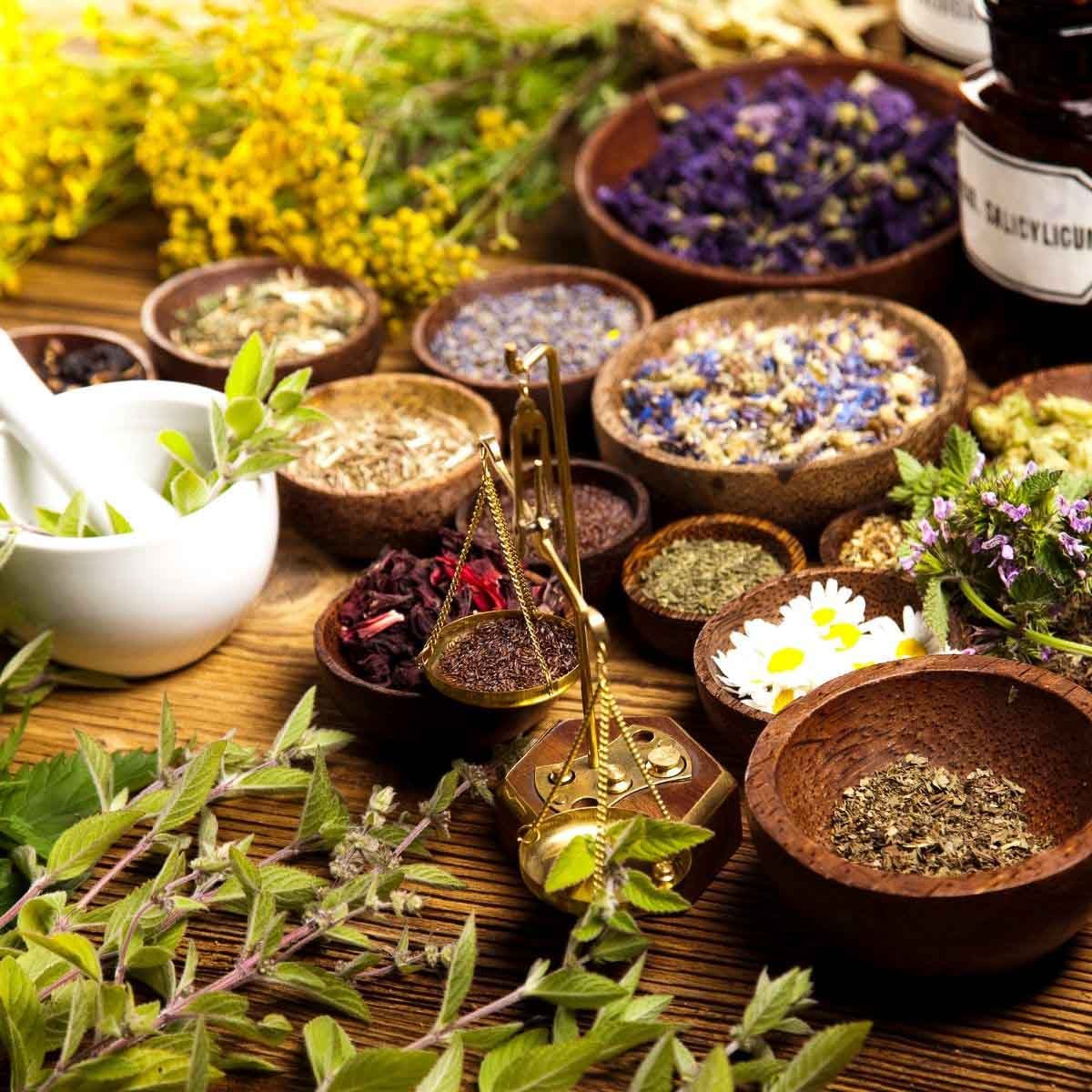
Herbs come from the leafy part of plants and are often used fresh or dried. Think parsley, oregano, basil, and thyme.
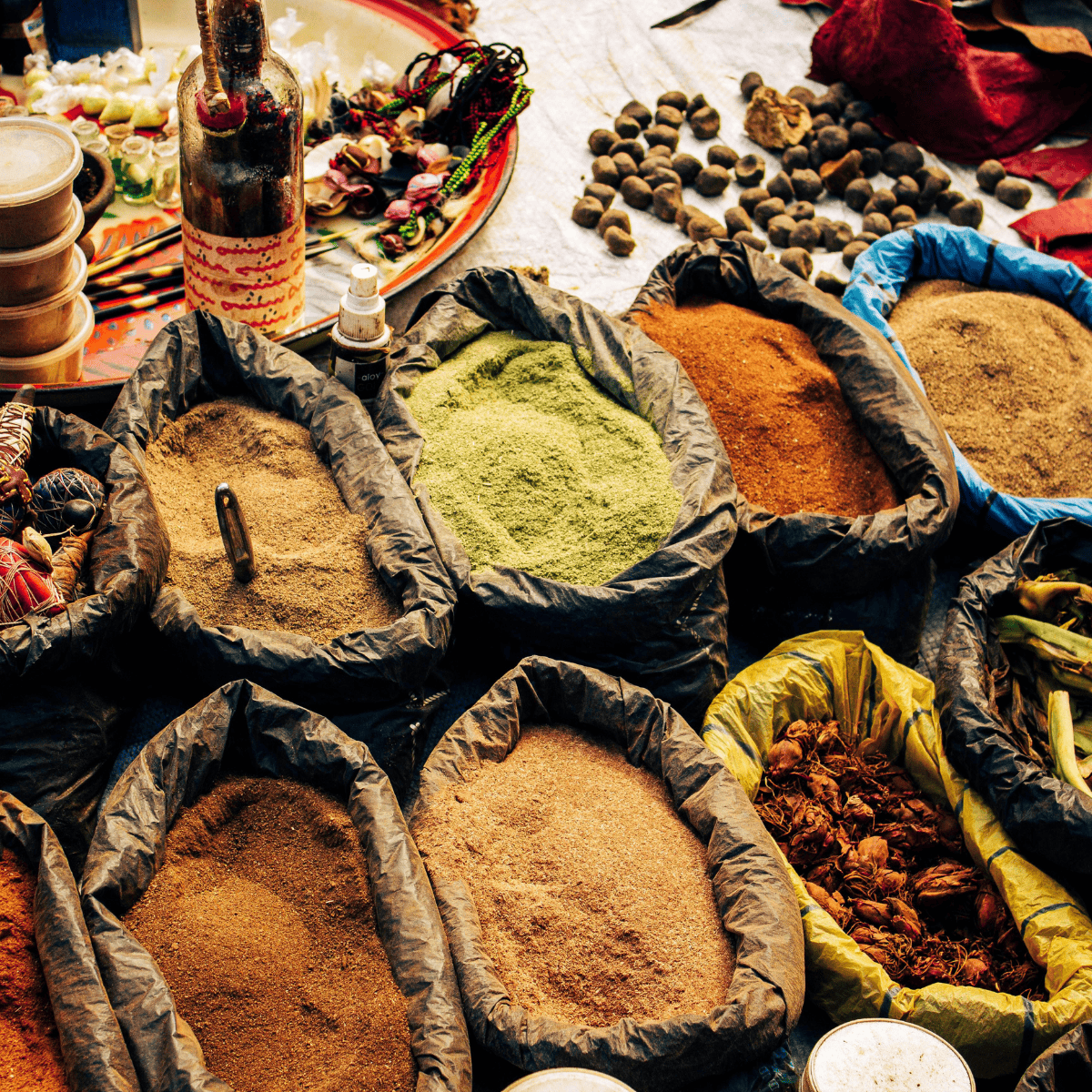
Spices usually come from seeds, roots, bark, or dried fruits. These include cumin, coriander, paprika, saffron, and cinnamon.
Mediterranean cooking uses both, but herbs are often added generously while spices are used more strategically to deepen flavor.
Essential Mediterranean Herbs
Parsley
Parsley is one of the most widely used herbs across the Mediterranean. It adds brightness and freshness to dishes and is often used as both a garnish and a core ingredient.
Flat-leaf parsley has a stronger flavor than curly parsley and is the variety most commonly used in Mediterranean recipes.
You’ll see parsley in:
- salads like tabbouleh
- herb sauces like chimichurri or salsa verde
- grain dishes and roasted vegetables
- seafood and grilled meats
Because parsley is mild and fresh, it’s often added at the end of cooking.
Oregano
Oregano is one of the signature flavors of Mediterranean cooking, especially in Greek and Italian dishes.
It has a slightly earthy, peppery flavor that works beautifully with tomatoes, olive oil, and grilled meats.
Dried oregano is actually used more often than fresh because drying concentrates its flavor.
You’ll find oregano in:
- tomato sauces
- roasted vegetables
- grilled chicken or lamb
- Greek salads and vinaigrettes
Basil
Basil is strongly associated with Italian cuisine, especially dishes built around tomatoes and olive oil.
It has a sweet, aromatic flavor that instantly makes food feel summery and fresh.
Basil is commonly used in:
- pesto
- tomato sauces
- caprese salads
- pasta dishes
Fresh basil is almost always preferred because dried basil loses much of its aroma.
Thyme
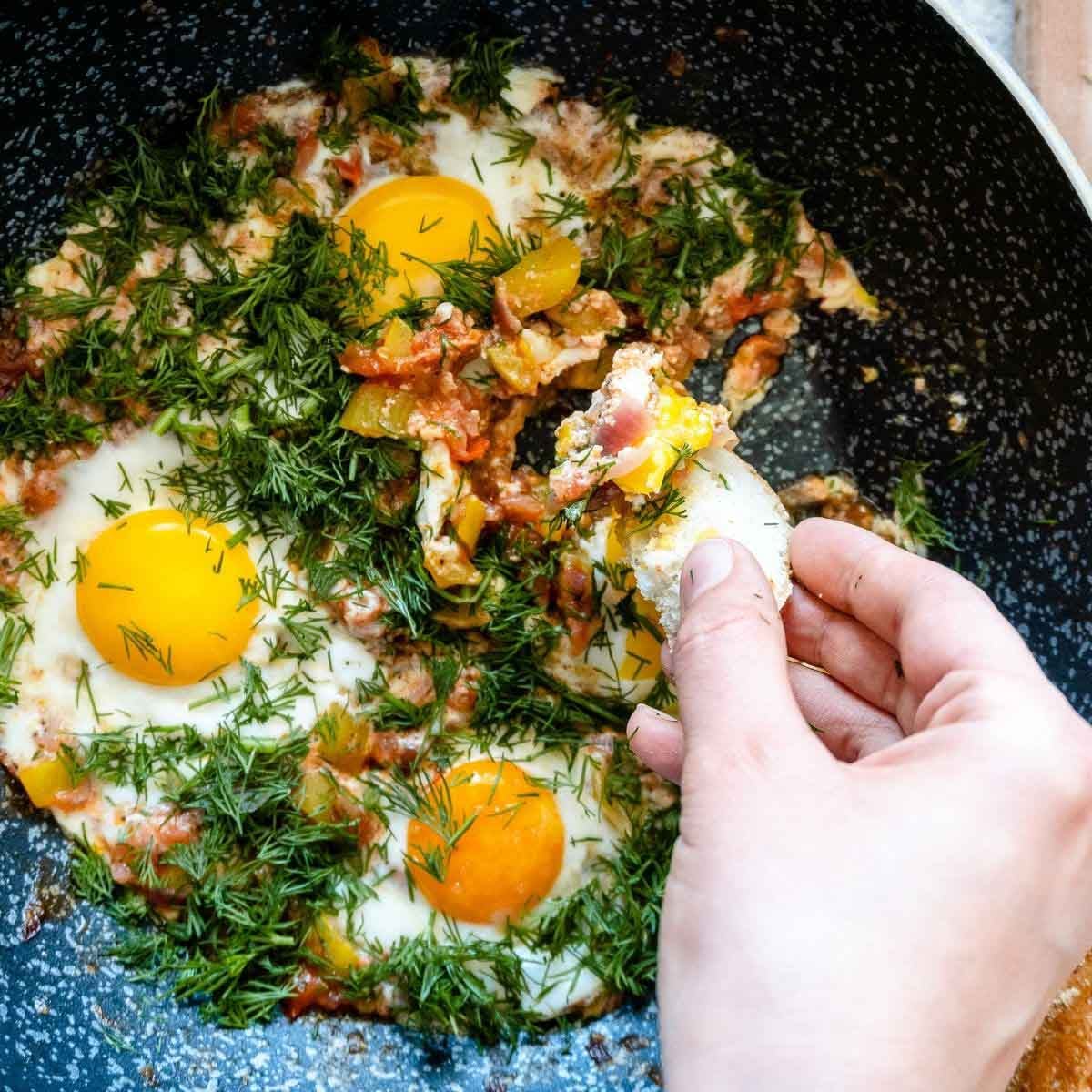
Thyme has a warm, slightly earthy flavor that pairs well with roasted vegetables, poultry, and beans.
It’s incredibly versatile and works in both fresh and dried form.
Common uses include:
- roasted chicken and potatoes
- vegetable stews
- braised beans and lentils
- Mediterranean marinades
Rosemary
Rosemary is bold and fragrant, with a pine-like aroma that stands up well to hearty ingredients.
Because it’s strong, it’s usually used in smaller amounts than softer herbs like parsley.
It’s especially good with:
- roasted potatoes
- lamb
- chicken
- olive oil marinades
Mint
Mint appears frequently in Middle Eastern and Eastern Mediterranean cooking.
It adds a cool freshness that balances rich foods and brightens salads.
You’ll see mint in:
- yogurt sauces
- grain salads
- lamb dishes
- refreshing drinks
Fresh mint is usually preferred for its bright flavor.
Essential Mediterranean Spices
While herbs bring freshness, spices add warmth and depth.
These spices appear throughout Mediterranean kitchens from Spain to North Africa.
Cumin
Cumin has a warm, earthy flavor with subtle smokiness. It’s widely used in North African and Middle Eastern Mediterranean cooking.
You’ll often find cumin in:
- spice rubs
- stews and soups
- roasted vegetables
- lentil dishes
Coriander
Coriander seeds produce a spice that is citrusy, slightly sweet, and gently warm.
It pairs beautifully with cumin and is common in spice blends across the Mediterranean.
Common uses include:
- marinades
- roasted vegetables
- fish dishes
- spice blends
Paprika
Paprika is made from dried peppers and can range from sweet and mild to smoky and bold.
Spanish cooking often uses smoked paprika, which adds depth and color to dishes.
Paprika appears in:
- roasted potatoes
- seafood dishes
- stews and sauces
- spice rubs
Sumac
Sumac is a deep red spice with a bright, lemony flavor.
It’s widely used in Middle Eastern Mediterranean cooking and is often sprinkled over dishes just before serving.
Sumac works beautifully on:
- salads
- roasted vegetables
- grilled meats
- hummus and dips
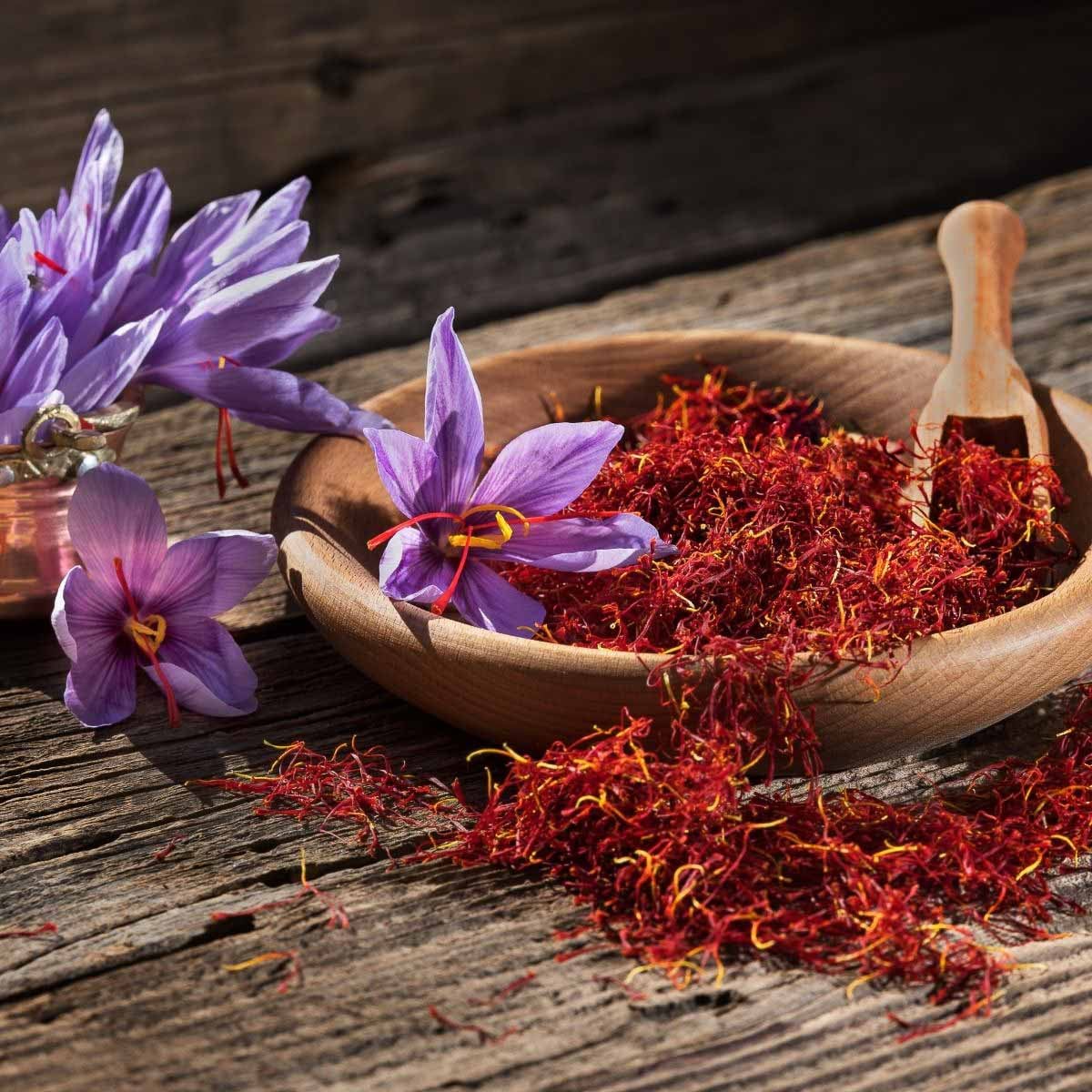
Saffron
Saffron is one of the most prized spices in the world and appears in Mediterranean cuisines like Spanish and Italian cooking.
Just a few threads add a golden color and delicate floral flavor.
It’s most famous in:
- paella
- risotto
- seafood dishes
Cinnamon
Cinnamon appears in savory Mediterranean dishes more often than people expect, especially in North African and Middle Eastern cooking.
It adds warmth and subtle sweetness to:
- lamb dishes
- tomato-based stews
- spice blends
Mediterranean Spice Blends
Many Mediterranean cuisines combine herbs and spices into blends that bring multiple flavors together.
Za’atar
A Middle Eastern blend typically made from thyme, sesame seeds, and sumac.
Often sprinkled on flatbreads, vegetables, and yogurt dips.
Ras el Hanout
A complex North African spice blend that can contain cumin, coriander, cinnamon, turmeric, and many other spices.
Used in tagines and slow-cooked dishes.
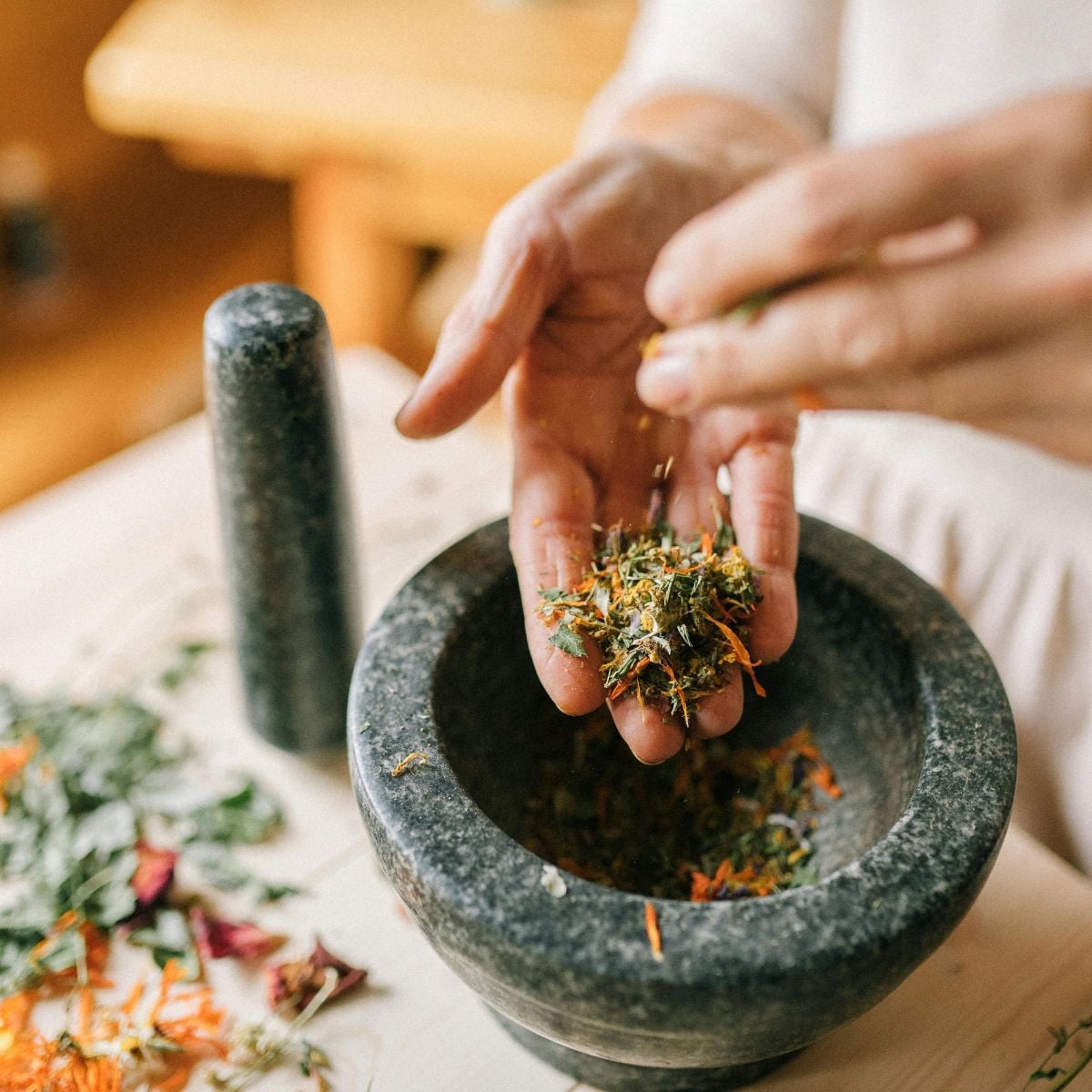
Fresh vs Dried Herbs
Both have their place in Mediterranean cooking.
Fresh herbs bring brightness and are often added at the end of cooking.
Dried herbs have deeper, more concentrated flavors and work well in sauces, stews, and marinades.
A common guideline is to use three times more fresh herbs than dried.
Once you become familiar with a handful of Mediterranean herbs and spices, cooking this way becomes second nature.
You start recognizing flavor pairings and building dishes around what you already have in your kitchen.
And that’s really the beauty of Mediterranean cooking. It’s simple, intuitive, and built on ingredients that let good food speak for itself.
Did you make this recipe? Let me know!