

This Olive Oil & Mediterranean Cooking guide breaks down how olive oil is produced, what the different labels mean, how to shop with confidence, and why extra virgin olive oil plays such a central role in Mediterranean cuisine.
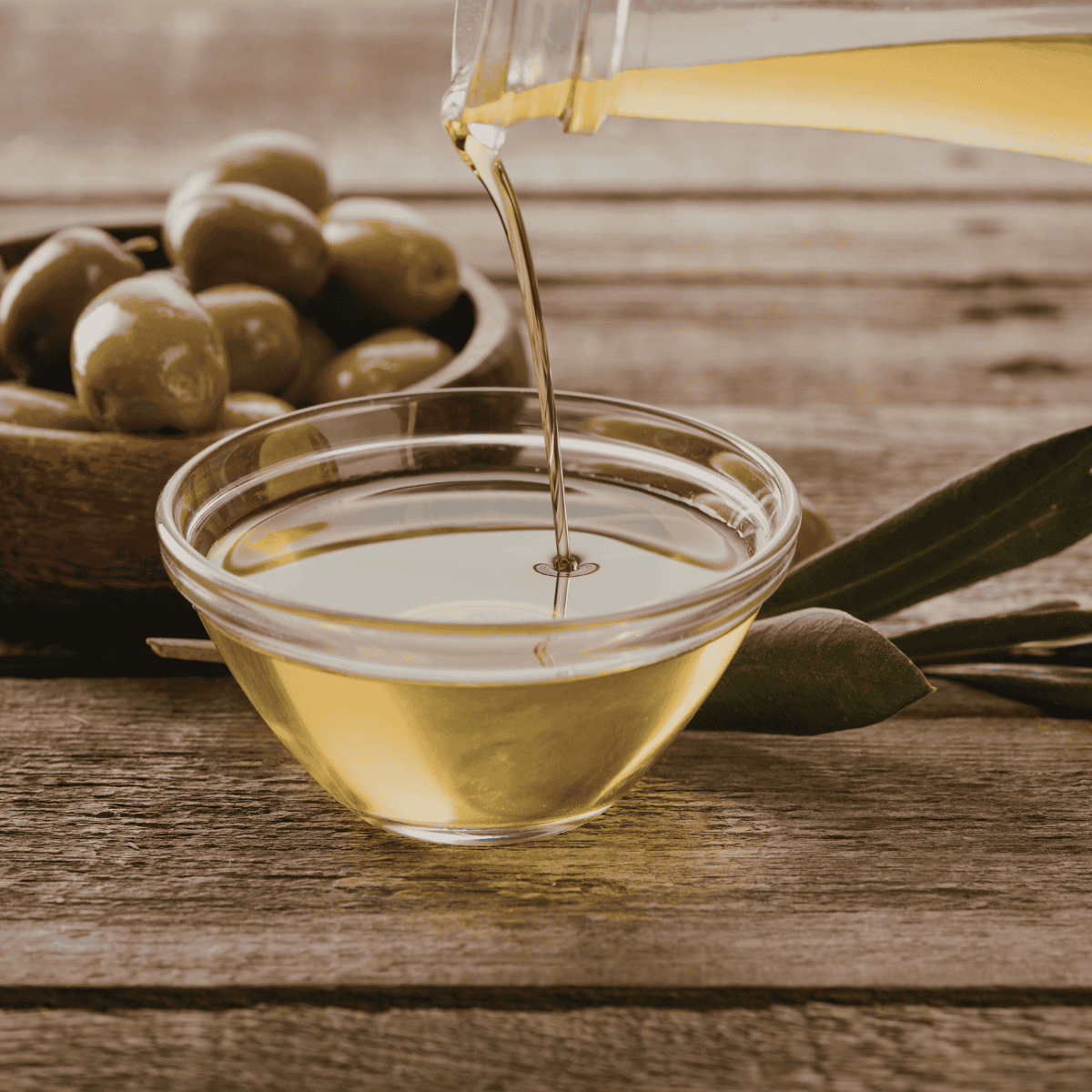
If Mediterranean food tastes simple but deeply satisfying, olive oil is usually the reason. In Mediterranean cooking, olive oil is not just something you cook with. It is something you taste. It builds flavor at the beginning of a dish, carries herbs and spices through cooking, and is often drizzled at the end for aroma and richness.
The information shared here is for general educational purposes only. It is not intended as medical advice, diagnosis, or treatment. If you are considering changes to your diet or have specific health concerns, please consult a qualified healthcare professional. Never ignore professional medical guidance or delay seeking care based on something you read here.
Jump to:
Why Olive Oil Is Central to Mediterranean Cooking
In many cuisines, oil is simply a cooking medium. In Mediterranean cooking, olive oil is a seasoning.
It softens bitterness in greens, balances acidity from lemon and vinegar, and gives body to vegetables, grains, beans, seafood, and sauces. Because olive oil contributes flavor, Mediterranean dishes can rely on fewer ingredients and still taste layered and complete.
This is also why quality matters. When olive oil is meant to be tasted, freshness and processing make a real difference.
How Olive Oil Is Made
Olive oil is often described as the juice of olives, but the process behind that juice determines quality, flavor, and stability.
Harvesting
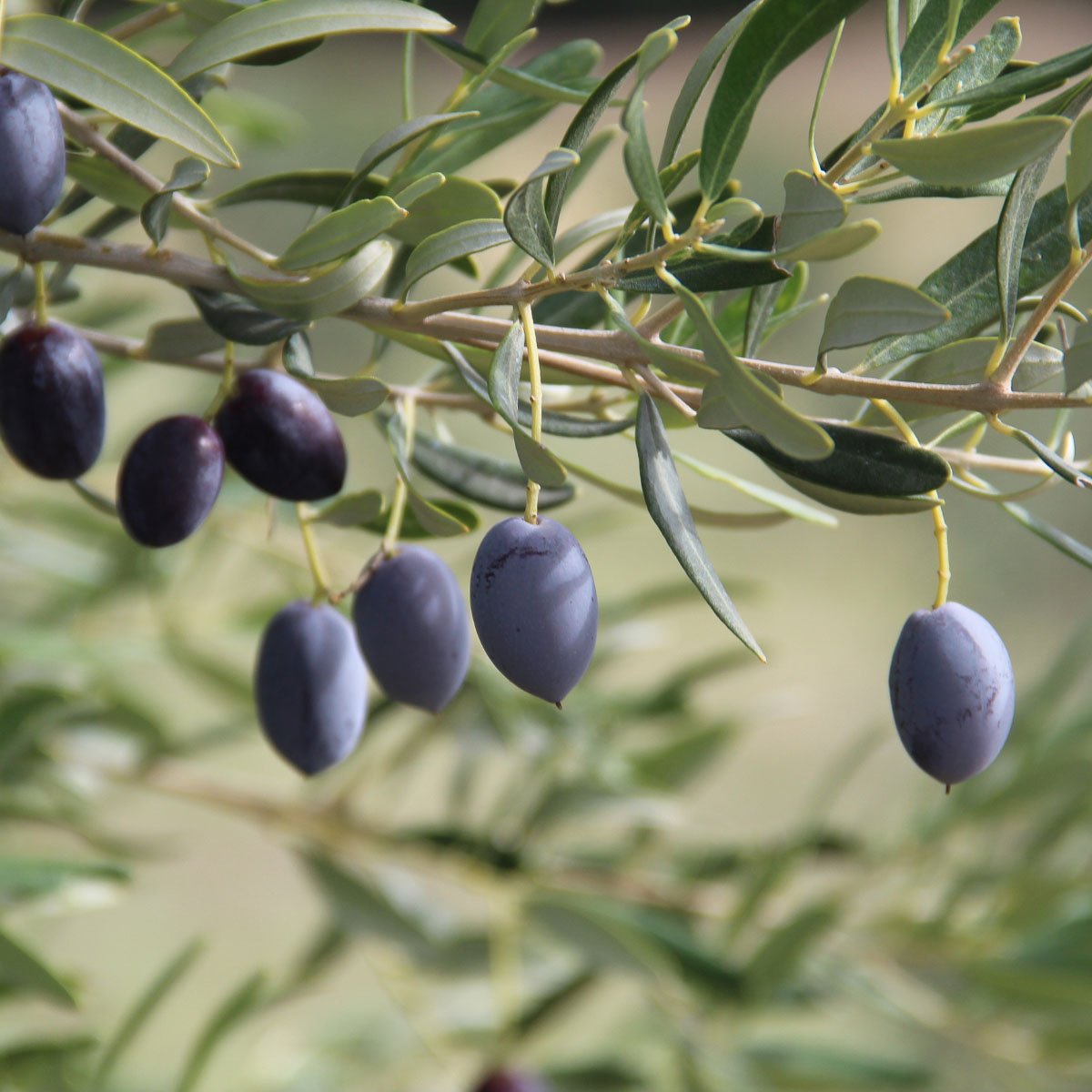
Olives are harvested when they are green to purple in color. Earlier harvests typically produce oils that are more bitter and peppery. Later harvests produce softer, milder oils.
Time matters. Olives begin to degrade quickly after picking. High-quality oils are usually milled within hours to prevent fermentation and flavor defects.
Crushing and Malaxation
After washing, olives are crushed into a paste. This paste is slowly mixed in a process called malaxation, which allows tiny droplets of oil to combine into larger ones.
Temperature control during this stage is important. Excess heat can reduce aroma and degrade flavor compounds. This is why many high-quality oils are labeled “cold extracted,” meaning they were processed at controlled temperatures.
Separation
The oil is separated from solids and water using mechanical methods, most commonly centrifugation. Extra virgin olive oil comes entirely from this mechanical process without chemical refining.
What Makes Extra Virgin Different
According to standards referenced by the International Olive Council and USDA classifications, extra virgin olive oil must meet strict chemical and sensory criteria, including low free acidity and the absence of sensory defects.
Because it is minimally processed, extra virgin olive oil retains natural compounds called polyphenols. These contribute to both flavor and oxidative stability.
Research summarized by AboutOliveOil.org notes that polyphenols are sensitive to heat, light, and oxygen, which is why storage and freshness matter.
The Different Types of Olive Oil
Understanding labels makes shopping much easier.
Extra Virgin Olive Oil
Extra virgin olive oil is mechanically extracted and not refined. It has the most flavor and aroma and is the cornerstone of Mediterranean cooking.
Use it for dressings, drizzling, finishing, and recipes where olive oil flavor matters.
Virgin Olive Oil
Virgin olive oil is also mechanically extracted but may have slightly higher acidity or minor sensory differences compared to extra virgin.
Regular Olive Oil
Olive oil labeled simply as “olive oil” or sometimes “pure olive oil” is typically a blend of refined olive oil and a smaller portion of virgin oil. Refining removes strong flavors and defects, producing a milder oil with a higher smoke point.
This oil works well for everyday sautéing and roasting.
Light Olive Oil
Light olive oil refers to flavor, not calories. It is highly refined and neutral in taste. It has a higher smoke point and is useful for high-heat cooking or baking where olive flavor is not desired.
Light olive oil is not traditional in Mediterranean cooking but can be practical in certain situations.
What Olive Varieties Mean for Flavor
Different olive varieties produce oils with distinct characteristics.
Arbequina olives often produce mild, buttery oils. Koroneiki olives, common in Greek oils, are more robust and peppery. Picual olives, widely grown in Spain, often create bold and aromatic oils.
In Italy, common olive varieties include Frantoio and Leccino in Tuscany, Coratina in Puglia, and Nocellara in Sicily. These varieties range from grassy and peppery to softer and more buttery, which is why Italian olive oils vary so widely by region.
Beyond Italy, Greece, and Spain, countries like Morocco and Turkey also produce significant olive oil. Moroccan oils, often made from Picholine olives, tend to be balanced and fruity, while Turkish oils vary by region and can range from mild to robust.
Some oils are single-variety, highlighting one olive type. Others are blended to create balance and consistency. Both approaches are common and intentional.
Flavor preference is personal. Some cooks prefer grassy and peppery oils. Others prefer softer, fruitier styles.
How Olive Oil Is Used in Mediterranean Cooking
Olive oil appears at multiple stages of cooking.
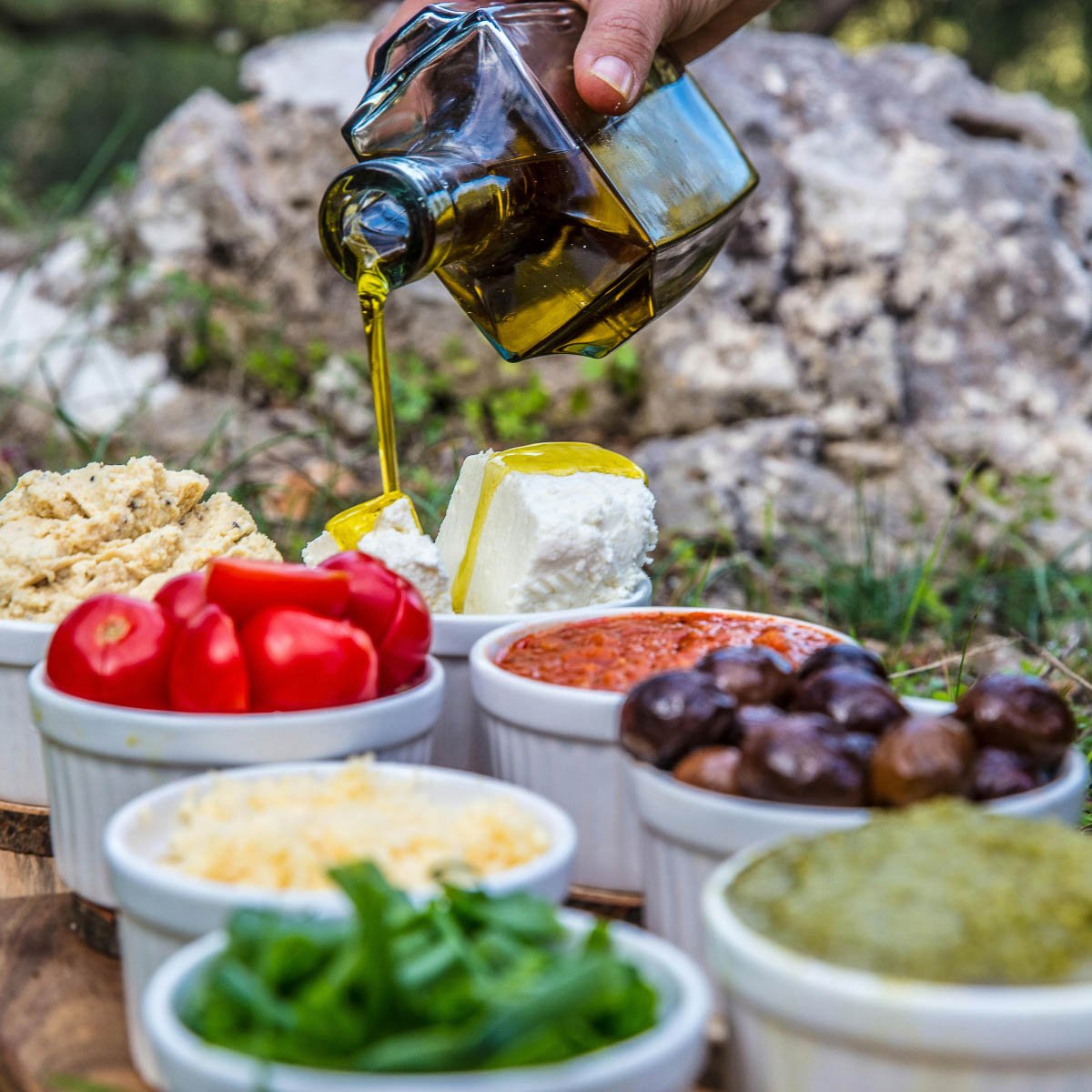
It is used to gently cook onions and garlic, preventing harsh browning. It is added during cooking to create richness without heaviness. And it is often drizzled at the end to enhance aroma and bring a dish together.
Finishing with olive oil is one of the most overlooked steps in home cooking. If food tastes flat, a drizzle of extra virgin olive oil often fixes it before salt does.
How to Shop for Olive Oil (What the Labels Actually Mean)
Extra Virgin
Start here. This designation signals minimal processing and full flavor.
Single-Region vs Blended
Single-region oils come from one country or area and may reflect a specific flavor profile. Blends combine oils for balance and consistency. Both are valid choices.
Harvest Date
A harvest date is more meaningful than a best-by date. Fresher oil typically tastes brighter and more aromatic.
Cold Extracted
This indicates temperature-controlled processing to preserve flavor and aroma. It is a helpful detail but not the only marker of quality.
Bottle Type
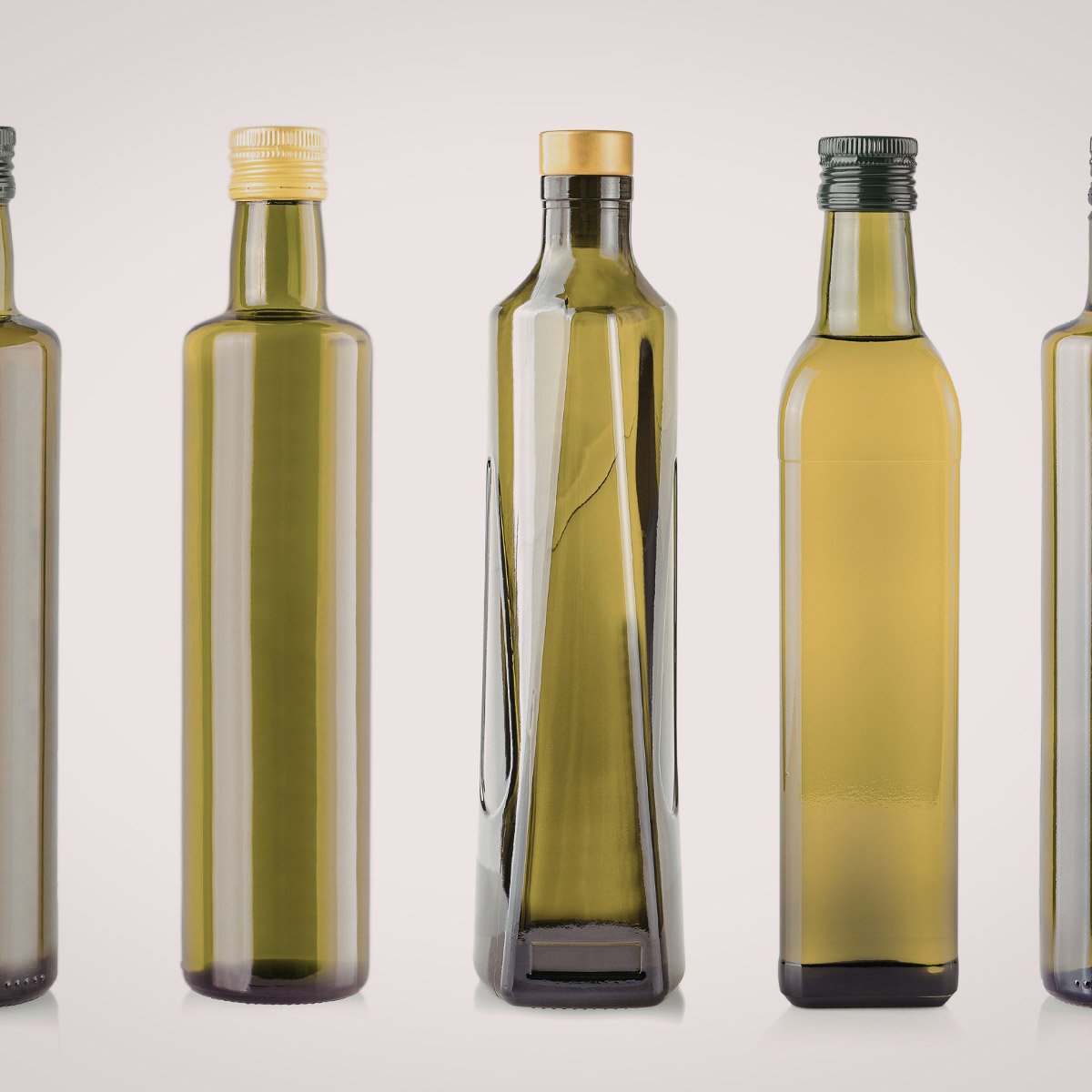
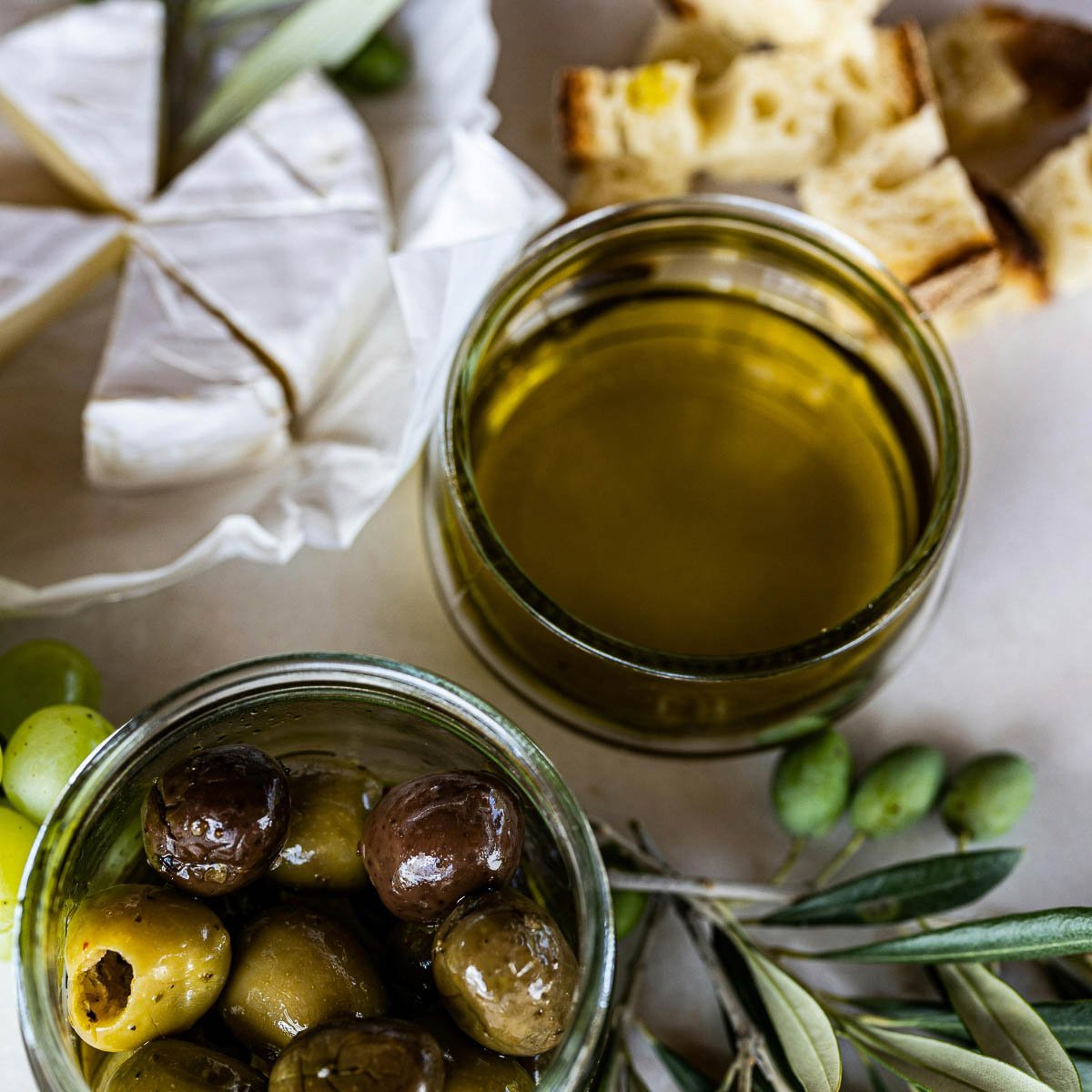
Choose dark glass or tins. Exposure to light accelerates oxidation and flavor degradation.
Studies summarized by AboutOliveOil.org show that heat, light, and oxygen significantly reduce quality over time.
Size
Buy a size you will use within a few months. Olive oil does not improve with age.
Taste
Once opened, olive oil should smell fresh and pleasant. Taste it on bread or vegetables. If you enjoy it, you chose well.
How to Store Olive Oil
Store olive oil in a cool, dark place away from the stove. Keep the lid tightly closed.
Oxidation occurs when oil is exposed to light, air, and heat. Over time, this leads to rancidity and flavor loss. Proper storage slows this process significantly.
Olive Oil Is A Star In These Recipes
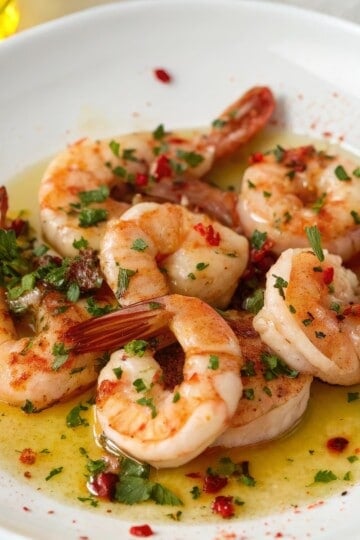
- Gambas Pil Pil10 Minutes
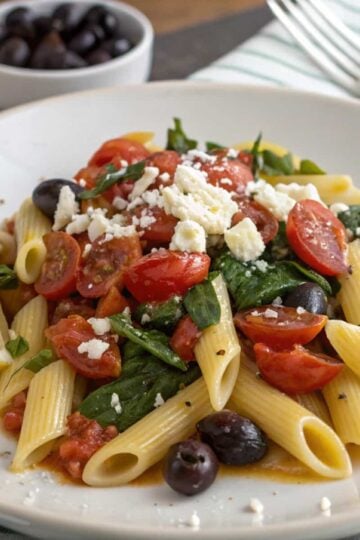
- Creamy Veggie Pasta25 Minutes
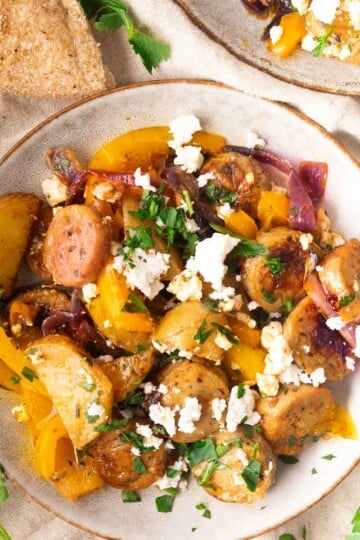
- Sheet-Pan Sausage, Peppers & Potatoes30 Minutes
- Pistachio Pesto Pasta20 Minutes

Did you make this recipe? Let me know!